
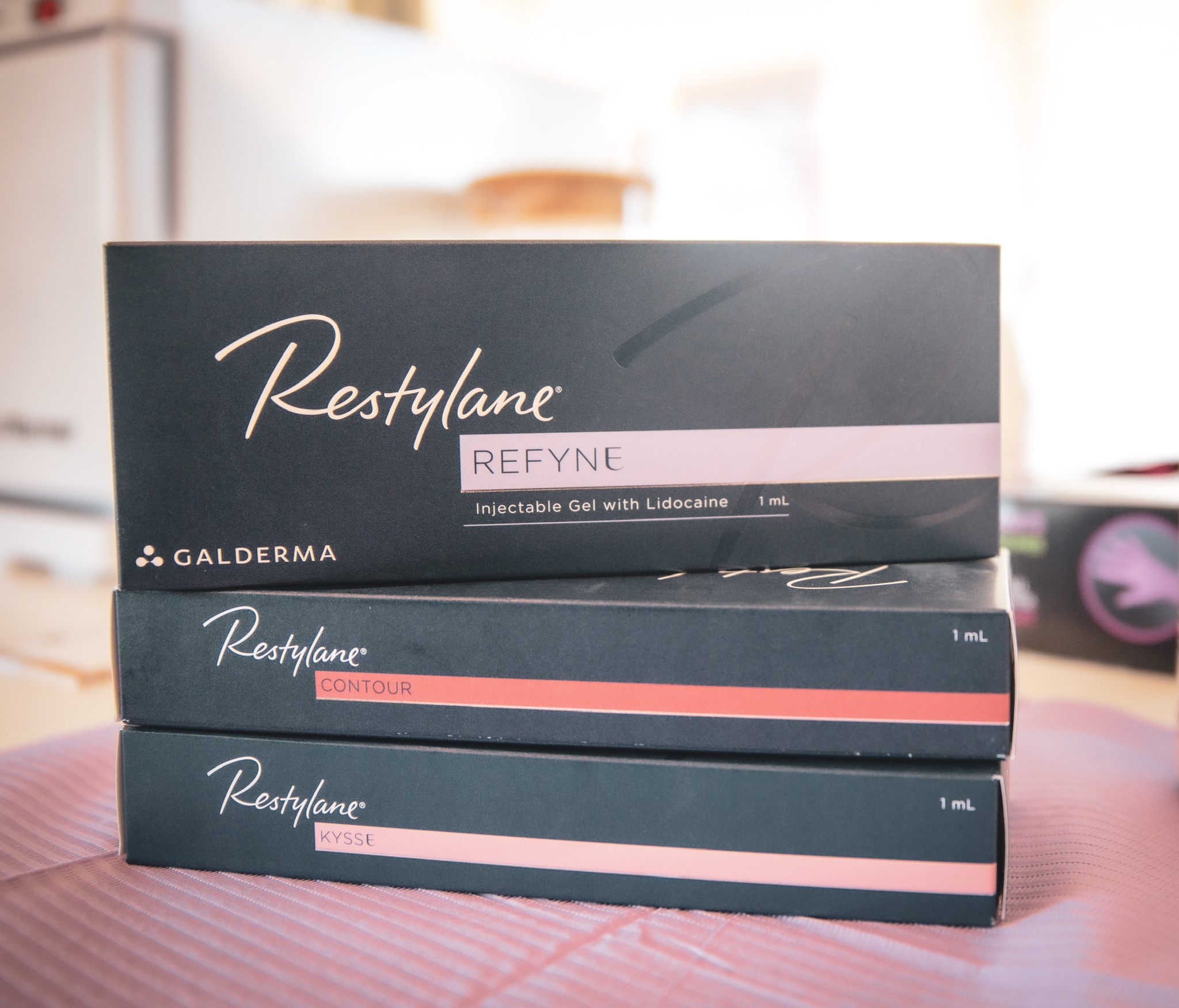
What is Restalyne filler?
Restylane is a brand of hyaluronic acid (HA) dermal filler. HA is a substance that occurs naturally in the body, particularly in the skin, joints, and connective tissues. Restylane fillers are used for cosmetic purposes to add volume, smooth wrinkles and folds, and enhance facial contours. They are injected into the skin to temporarily correct signs of aging or to augment certain facial features. Restylane fillers come in various formulations tailored to specific areas of the face, such as lips, cheeks, and under the eyes. They are often used to reduce the appearance of wrinkles, lines, and folds, as well as to restore lost volume and create a more youthful appearance.

How long does Restalyne filler last?
The duration of results from Restylane filler can vary depending on several factors, including the specific formulation used, the area treated, individual metabolism, and lifestyle factors such as smoking and sun exposure.
Generally, Restylane fillers can last anywhere from 6 months to 18 months. Some formulations may provide shorter-term results, while others may offer longer-lasting effects. For example, fillers designed for areas with less movement, such as the cheeks, may last longer than those used in areas with more dynamic facial expressions, like the lips.
Regular touch-up treatments are often recommended to maintain the desired results over time. Your healthcare provider can give you a better idea of how long you can expect the results to last based on your individual circumstances and the specific Restylane product used.
Is there downtime with Restalyne fillers?
The downtime associated with Restylane fillers is typically minimal for most people. After the treatment, you may experience some temporary side effects such as redness, swelling, bruising, or tenderness at the injection site. These side effects are usually mild and typically resolve within a few days to a week.
Some people may choose to take it easy for a day or two after the treatment to allow any swelling or bruising to subside, but many individuals are able to resume their normal activities immediately after the procedure. Your healthcare provider may provide you with specific post-treatment instructions to help minimize discomfort and optimize results.
It’s essential to follow any instructions provided by your healthcare provider and to avoid activities that could exacerbate swelling or bruising, such as vigorous exercise, alcohol consumption, or excessive sun exposure, in the days following the treatment.


